ESTATE & PROBATE · INTAKE
Probate calls come from the family
The person who calls a probate firm has usually just lost a parent. She is one of three children. She is not sure who was named in the will. Her brother may call the same firm tomorrow. The intake has to be kind. It has to get the names before it gets the story. Here is why, and what the form asks.
We are not attorneys and this is not legal advice. Who the firm represents is the firm’s call. So is whether a conflict can be waived, and what an attorney may say to a family member. This piece is about what the intake collects, and when.
THE SHORT ANSWER
Who is calling
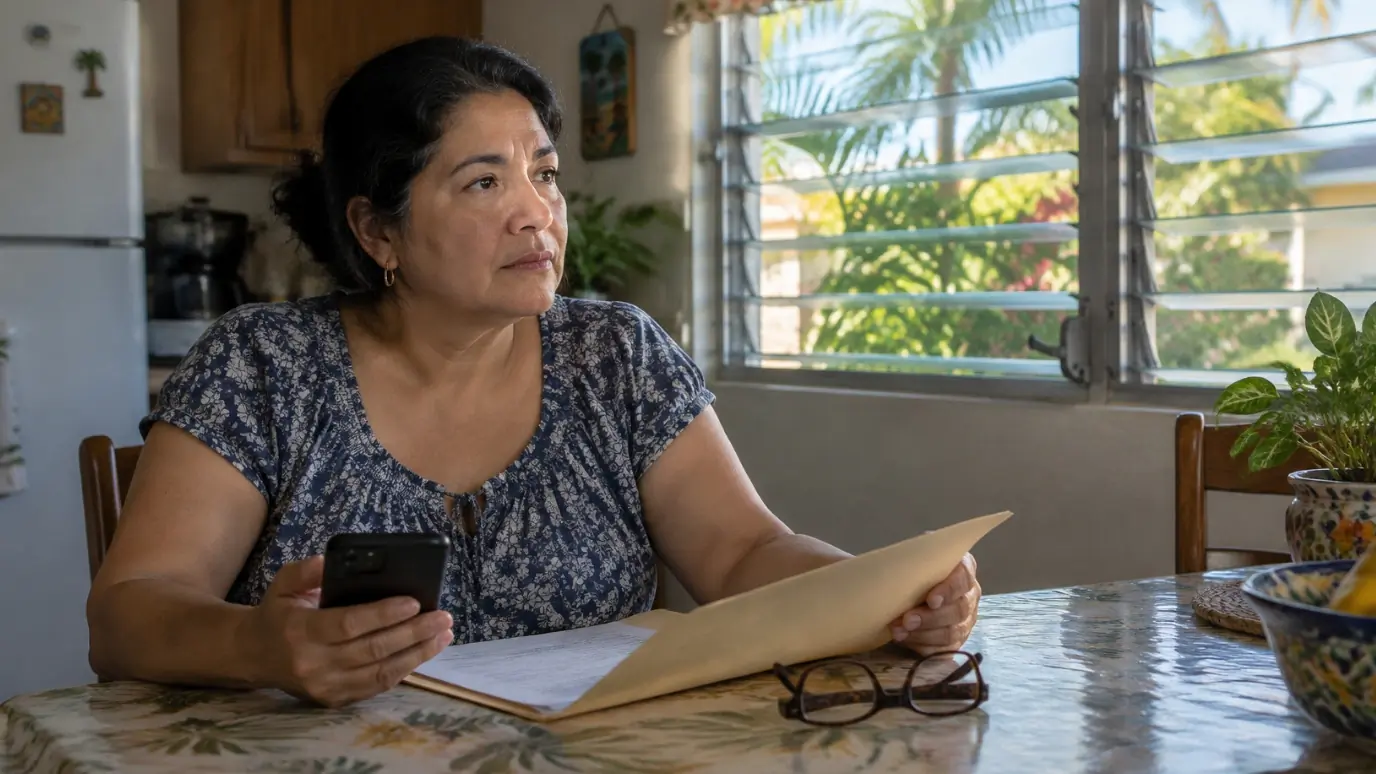
A death in the family brings paperwork fast. A bank freezes an account. A house sits empty. Someone finds a will in a drawer, or does not. The caller is often the oldest child, or the one who lives closest. She often speaks mostly Spanish if the parent did. She is tired and grieving. She is also not the only heir, and the others may not agree with her.
That last part is what makes probate intake different. In most practice areas, the caller is the person with the problem. In probate, the caller is one person in a family with a shared problem. Sometimes the family is the problem.
Who the firm would represent
Florida answers this more plainly than most places. The comment to Rule 4-1.7 says that in Florida, the personal representative is the client. The estate is not, and the beneficiaries are not. The personal representative is the person the court appoints to handle the estate, often the person named in the will.
Florida Probate Rule 5.030 adds a second point. Every personal representative must have an attorney admitted in Florida. The one exception is when the personal representative is the only person with an interest in the estate. So the call is often not optional for the family. Someone has to hire a lawyer. The question is who.
For intake, that means two things. First, the form asks who was named, or who wants to serve. That person is the likely client. Second, the reply never says “we represent your family.” The attorney decides who the client is and explains it to the family. Have counsel confirm the current text of both rules before you write templates around them.
Why the names come before the story
A person who talks to a lawyer about hiring the lawyer is a prospective client under Rule 4-1.18. That is true even if no one signs anything. What she says is confidential. Say she shares facts that could hurt her. Then the firm may not be able to act for someone else against her in the same matter.
Now picture the sister calls Monday and tells the whole story. Mom changed the will last year. The brother moved in. She thinks he pushed it. On Wednesday the brother calls. He is named as personal representative, and he is ready to hire. The firm has already heard the sister’s side. That can be a problem under Rules 4-1.18 and 4-1.7. A form could have caught it on Monday.
So the intake asks for the names first, short and plain. The conflict check runs on them. The story waits for the attorney.
What the form asks
- The person who died. Full name, date of death, and the county where they lived. The county tells the firm which court.
- The will. Is there one? Does anyone have the original? Who was named to handle the estate? “I don’t know” is a fine answer.
- The caller. Name, relationship, language, and whether she was named or wants to serve.
- The family. Spouse, children, and anyone else who may inherit, by full name. These go to the conflict check.
- What is urgent. A house with no one in it, a court date, a creditor letter, a business that needs someone to sign.
The form does not ask “what happened” or “do you think the will is valid.” Those are questions for the attorney, after the check clears.
What the first reply says
Short, warm, and in her language. “We are sorry for your loss. We received your message. An attorney will call you to talk about next steps. Please do not send documents yet.” It does not say the case is simple. It does not say probate will be quick, or that the firm will protect her share. Those are predictions, and Rule 4-7.13 is about predictions. A grieving person is also the kind of reader Rule 4-7.15 has in mind. So the reply stays calm and plain.
Where LegalCRM.pro fits
LegalCRM.pro puts the date of death, county, will status, and family names on the card before the consult. That way the conflict check can run first. The reply goes out within a minute in English or Spanish. The voice agent takes those same details without asking about the case. When we build it for you, we write every message to fit Chapter 4-7 and the ABA Model Rules. Your attorney reviews and approves all of it before go-live. Anything your firm writes or changes later, it reviews against the same rules.
The full intake for estate and probate firms, with the fields and the follow-up, is on the Estate Planning and Probate page.
Related
See the probate intake on a real call
A 30-minute demo on the estate and probate build, where you call as a grieving daughter and watch the family names reach the card.