LANGUAGE · INTAKE
When the caller speaks Creole or Portuguese
South Florida does not speak only English and Spanish. A firm in Miami, Broward, or Palm Beach will hear from people who speak Haitian Creole or Portuguese. It will hear other languages too, that no one on staff speaks. The intake cannot fake those languages. It can be honest about them, and get the person to someone who can help.
We are not attorneys and this is not legal advice. How a firm uses interpreters is the firm’s call. So is what it shares with a family member. This piece is about the intake that gets the person to the right talk.
THE SHORT ANSWER
Why this needs its own plan
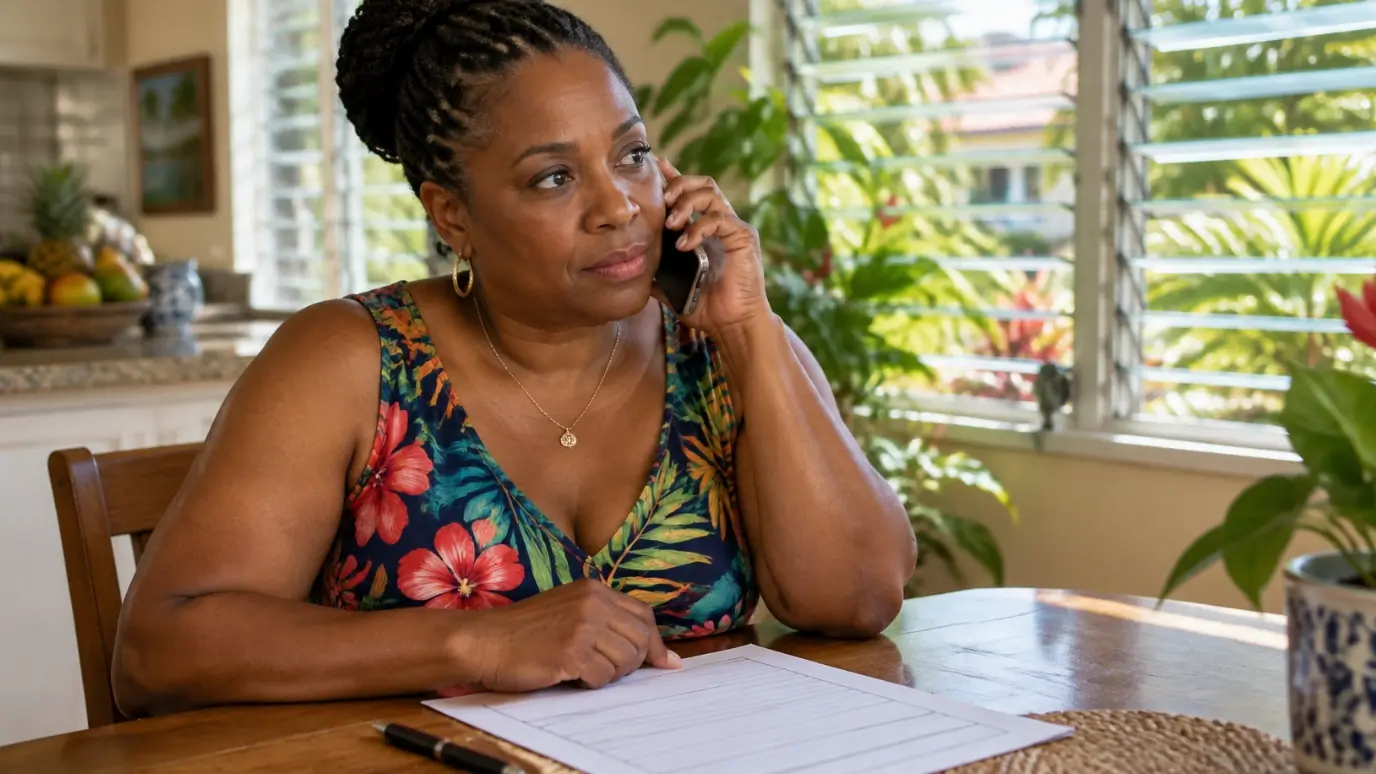
Most bilingual intake is built for two languages. That covers a lot of South Florida, but not all of it. Think of a Haitian Creole speaker in North Miami, or a Brazilian family in Pompano Beach. They may fill out an English form, since it is the only one there. Then the callback comes in English. The person cannot follow it, and the lead goes quiet. No one decided to turn that person away. The intake just had no plan for them.
Start with the form
Add a preferred-language field. List English, Spanish, Haitian Creole (Kreyòl), and Portuguese (Português). Write each one in its own language so the person can find it. Add “Other” with a box to type it. Make the field short and early. A person who sees their language on the list knows the firm thought about them.
The field does a second job. It puts the language on the card, so the person calling back knows before they dial. A callback that starts in the wrong language is often the last call.
An honest first reply
The first reply goes out in English or Spanish, since that is what the system writes. Keep it short and plain. Then a relative or a phone app can help the person read it. Say what happens next and when.
Here is an example: “Thanks for contacting [Firm], in [City]. We got your message. We will call you by [time].” Add “with a Haitian Creole interpreter” only if the firm truly has one ready. That might be a staff member who speaks it, or an interpreter service the firm already uses. If it does not, do not say it. A promise the callback cannot keep is worse than no promise.
The voice agent does not guess
On the Practice and Group plans, the AI voice agent offers English or Spanish on the first turn. If the caller speaks neither, it does not fake a third language. It does not guess at what they said. It takes what it can, such as a callback number. It marks the card with the language the caller seems to need. Then it sends it down the human path the firm set. It never answers a case question in any language.
Interpreters, not relatives, for anything that matters
Often a son or a niece is on the call to help. That is fine for setting a time. It is not a good idea for the facts, the fee, or the agreement. A relative may not know legal words in either language. They may have their own stake in the matter. And the person may not say everything in front of family.
There is a confidentiality side too. Rule 4-1.6 says a lawyer must not reveal facts about a client’s case without consent, unless an exception applies. When a family member interprets, that person hears all of it. Whether a third person in the room changes the privilege is a question for counsel. Have counsel confirm how the firm should handle it. For the first meeting and the fee agreement, plan on a qualified interpreter. Note on the file who did it.
Never pretend to speak a language
Do not put “Nou pale Kreyòl” or “Falamos português” on the website unless someone who speaks it answers. Do not run a case question through a translation app. Do not send the result as the firm’s answer. A claim that misleads the reader is an ad problem under Rule 4-7.13. A bad translation of a legal point can do real harm. The firm can say, honestly, the language it offers and how it handles the others.
Count them, then decide
Track contacts by preferred language. After a few months, the firm can see how many people asked for Creole or Portuguese. It can see how many booked, and how many signed. That is the honest way to decide. Hire a speaker, contract an interpreter, or keep the plan as it is.
Where LegalCRM.pro fits
LegalCRM.pro replies within a minute in English or Spanish, the two languages every build carries. If your firm needs Portuguese or Creole messages too, ask, and we will tell you honestly what that build takes. The form asks for the preferred language, such as Creole, Portuguese, and others. It puts it on the card so the callback starts right. A contact who needs an interpreter can be flagged and sent to the person the firm names. Reports show signed retainers by language. When we build it for you, we write every message to fit Chapter 4-7 and the ABA Model Rules. Your attorney reviews and approves all of it before go-live. Anything your firm writes or changes later, it reviews against the same rules.
How the form asks for language, and what it does with the answer, is on the Bilingual Intake Forms page.
Related
See the language field on a live card
A 30-minute demo shows the form, the first reply, and the interpreter flag, in English and Spanish.